Oparina Natalia V.
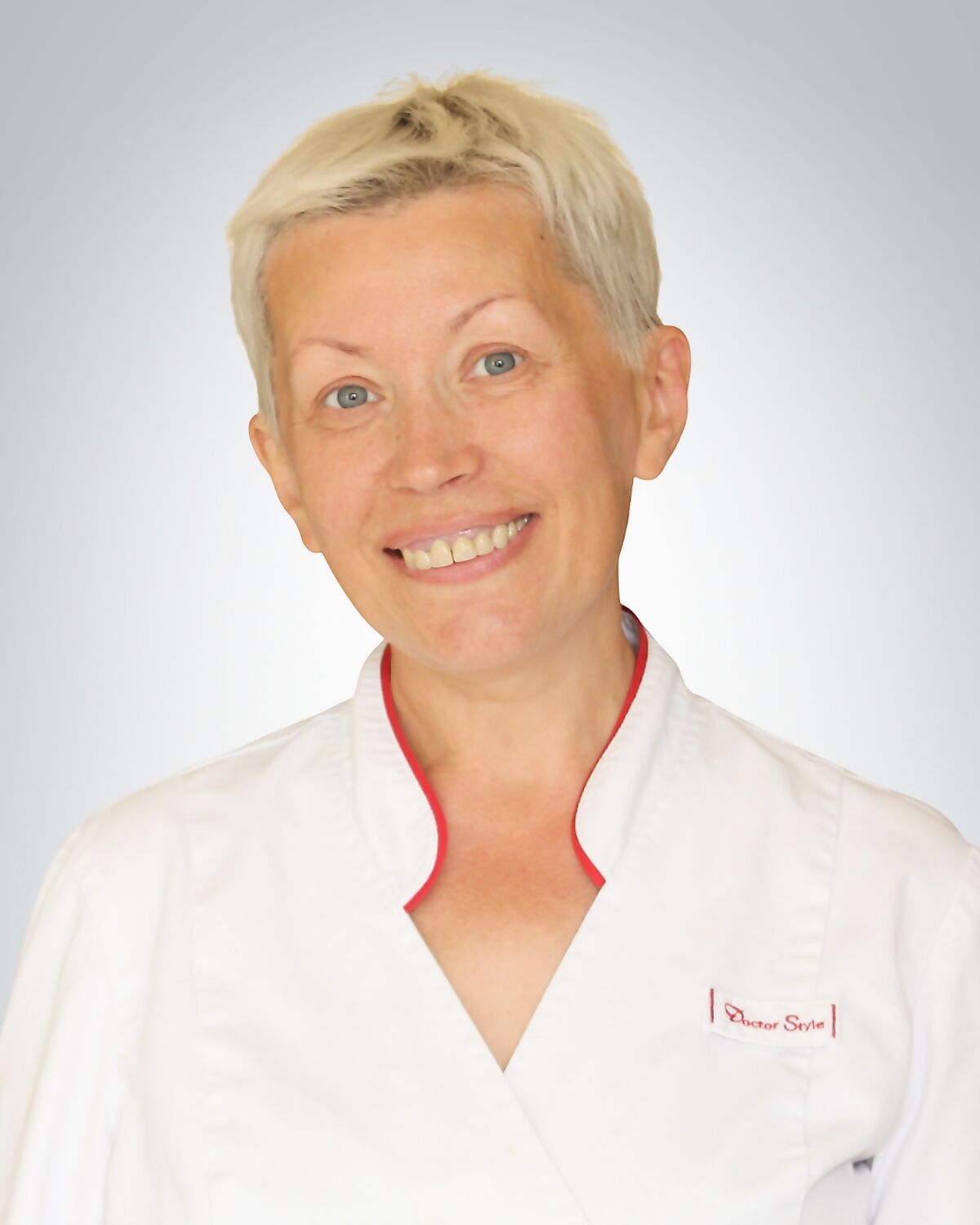
Doctor of clinical laboratory diagnostics, Geneticist
Центр персонализированной медицины
Head of the Laboratory of Cytogenetics of the CPM of the Moscow Clinical Research Center named after A. S. Loginov DZM.
Education:
In 1995 graduated from the Department of Genetics of Rostov State University (RSU)
General medical experience: 39 years
Work experience in the specialty: 31 years
Printed works: ≥30 Member of the European Cytogeneticists Association (ECA).
- From October 2023 to the present, in October 2023, she headed the cytogenetic laboratory being created, the organization of which was carried out to ensure the availability of genetic research to patients in the "oncohematology" profile as part of a large-scale DM project in Moscow. In the shortest possible time, the Laboratory took the leading place in Russia in terms of research volumes and annually confirms the high level of professionalism of employees by passing external quality control (FSC). The laboratory is equipped with high-tech equipment using AI, which allows not only standardizing diagnostic approaches, but also frees up the intellectual potential of doctors to conduct lectures, seminars and trainings for doctors of various specialties, speaking at conferences and participating in scientific programs.
- From 2006 to 2023: A laboratory geneticist at the Medical and Genetic Laboratory of the MGTS of the MONIKA State Medical University named after M. F. Vladimirsky, Moscow, working at the MGTS of the Ministry of Defense, she organized the diagnosis and monitoring of chromosomal abnormalities in hemoblastosis and suspected congenital and hereditary chromosomal diseases. She organized and introduced molecular cytogenetic methods into routine practice, as well as computer programs for analyzing chromosome images (since 2006 VideoTestKario, since 2012 Leica, Lucia). Actively conducted lectures, seminars and trainings on the basis of the Department of Clinical Laboratory Diagnostics of the MONIKA State Medical University named after M. F. Vladimirsky.
- From 2005 to 2006, a laboratory geneticist at the Laboratory of Genetics of Reproductive Disorders of the Federal State Budgetary Institution MGNC named after. Bochkova, Moscow
- From 1996 to 2005, a laboratory geneticist at the Laboratory of Medical Genetics in the 1st City Hospital of Kostroma With a group of colleagues organized a medical genetic laboratory on the basis of a multidisciplinary hospital, which carried out diagnostics of a wide range of hereditary / congenital /acquired pathology using various methods, including enzyme immunoassay (ELISA), PCR, karyotyping of lymphocytes and bone marrow.
- From 1995 to 1996, the cytogeneticist of the CPSiR Kostroma
Professional development:
- 1995 Ivanovo Research Institute "MFA" Cytogenetic methods of laboratory diagnostics improvement
- 1996 Moscow, RDKB Chromosomal analysis of disabling hereditary diseases specialization
- 1997 Moscow, RMAPO Hereditary diseases and their laboratory diagnostics advanced training
- 2001 Moscow, RMAPO New methods of cytogenetic diagnostics advanced training
- 2002 Moscow, RUDN University PCR-diagnostics advanced training
- 2002 Moscow, RMAPO Laboratory Genetics advanced training
- 2007 Moscow, RMAPO Laboratory Genetics advanced training
- 2012 Moscow, RMAPO Laboratory Genetics advanced training
- 2017 Moscow, RMANPO Laboratory Genetics advanced training
- 2020 Moscow, RSCC Laboratory Genetics Advanced training
- 2024 Moscow Healthcare Organization Accreditation
- 2025 Moscow CAC
Practical skills:
- Ability to work with various biological materials (lymphocytes, bone marrow, buccal epithelium, chorion) to obtain cytogenetic drugs.
- Ability to analyze the fine structure of chromosomes
- Ability to work with automated complexes for the analysis of chromosomes.
- Knowledge and skills in the field of molecular cytogenetics, allowing to conduct FISH protocols.
- Knowledge and skills in the field of molecular genetics, allowing to carry out protocols of both foreground and Real-Time PCR.
- Knowledge and skills in the field of immunogenetics, allowing to conduct ELISA/IFlA protocols
- Experience in the organization of a medical genetic laboratory in the structure of a multidisciplinary hospital
- Experience in the organization of structural units within the laboratory.